
Optimizing MEP Coordination Through Automated Clash Detection
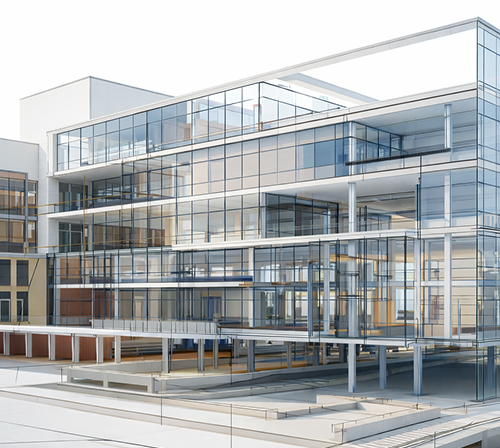
Digital twins have moved from a conceptual buzzword to a practical tool used on airports, transit hubs, hospitals, and commercial campuses worldwide. For engineering teams, the shift is significant: models are no longer static deliverables at handover, but living representations that evolve with the asset they describe.
What Makes a Digital Twin Different from a BIM Model?
A BIM model captures geometry, systems, and specifications at a point in time. A digital twin extends that foundation with live operational data — sensor readings, maintenance logs, occupancy patterns, and energy performance — connected back to the model environment.
The distinction matters for owners and facility managers who need to make decisions based on current conditions, not as-built documentation from years ago.
Key Applications in Infrastructure
Engineering firms are deploying digital twin workflows across several high-impact areas:
- Asset performance monitoring — tracking HVAC, electrical, and structural systems in real time
- Predictive maintenance — identifying failure risks before they cause downtime
- Space utilization — optimizing layouts based on actual usage data
- Energy optimization — reducing consumption through data-driven operational adjustments
- Renovation planning — using scan-to-BIM data to model changes before construction begins
Implementation Challenges
Despite the clear benefits, adoption is not without friction. Data silos between design, construction, and operations teams remain the most common barrier. Many organizations also struggle with data governance — defining who owns the model, who can modify it, and how updates are validated.
At STE, we address these challenges by establishing BIM execution plans that extend beyond construction handover, defining data schemas, update protocols, and integration requirements from the earliest project stages.
Getting Started: A Practical Roadmap
For teams beginning their digital twin journey, we recommend a phased approach:
- Establish a high-quality as-built BIM model with consistent naming and classification
- Identify 2–3 high-value systems for initial sensor integration
- Define KPIs that the twin should help monitor and improve
- Build a governance framework for data ownership and updates
- Scale integration across additional systems based on demonstrated ROI
Looking Ahead
As IoT infrastructure becomes standard in new construction and major renovations, digital twins will increasingly be a baseline expectation rather than a premium add-on. Firms that build competency now — in model quality, data integration, and lifecycle thinking — will be best positioned to deliver value across the full asset lifecycle.
The next decade of construction will be defined not by who builds the most impressive models, but by who keeps them accurate, connected, and actionable long after the ribbon is cut.
.Related articles

LOD 400 Modeling: When Fabrication-Ready Detail Matters Most
Digital twins have moved from a conceptual buzzword to a practical tool used on airports,...
Read More Structural Integrity: Modern Engineering Standards in High-Density Cities
Digital twins have moved from a conceptual buzzword to a practical tool used on airports,...
Read More